
2018 F-150 Tow Guide: A Comprehensive Overview
The 2018 Ford F-150 offers robust towing capabilities, with advancements in engineering and diverse engine options.
This guide details crucial factors,
capacities, and safety protocols for confident hauling.
From understanding GVWR to selecting the right hitch,
we cover everything needed for successful towing experiences.
Understanding Towing Capacity
Towing capacity represents the maximum weight a 2018 Ford F-150 can safely pull. This isn’t a single number; it varies significantly based on several key configuration choices. Engine selection is paramount – a 3;3L V6 will have a different capacity than a 3.5L EcoBoost. Axle ratio, drivetrain (4×2 or 4×4), cab configuration, and even optional equipment all play a role.
Ford provides towing capacity charts based on these combinations. It’s crucial to consult these charts, not rely on a generalized figure. Exceeding the stated towing capacity compromises vehicle control, braking performance, and overall safety. Understanding these limitations is the first step towards responsible and secure towing with your 2018 F-150.
Key Factors Affecting Towing Capacity
Several interconnected elements dictate the 2018 F-150’s towing prowess. The engine is fundamental, with larger displacement and turbocharged options offering greater capacity. Axle ratio impacts torque multiplication, influencing how easily the truck handles heavy loads; Drivetrain configuration – 4×2 versus 4×4 – also affects the maximum towable weight.
Furthermore, cab and bed length contribute, as does the presence of towing packages. Payload capacity, which considers the weight of passengers and cargo in the truck, directly reduces the available towing weight. Finally, even seemingly minor additions like heavy-duty suspension or larger tires can subtly alter the overall towing capability. Careful consideration of these factors is essential.
Engine Options and Their Towing Capabilities
The 2018 F-150 presented a diverse engine lineup, each impacting towing capacity. The 3.3L V6, the base option, typically allowed for up to 7,700 lbs towing. Stepping up to the 2.7L EcoBoost V6 significantly increased capability, reaching around 8,500 lbs. For those needing substantial power, the 5.0L V8 offered a robust 11,600 lbs maximum towing capacity.
However, the pinnacle of towing performance belonged to the 3.5L EcoBoost V6, capable of pulling up to 13,200 lbs when properly equipped. These figures are estimates and vary based on configuration – cab style, drivetrain, and axle ratio all play a role. Always consult the specific vehicle’s doorjamb sticker for accurate towing information.
3.3L V6 Engine Towing Specs
The 2018 F-150’s 3.3L V6 engine provides a solid foundation for lighter towing needs. Typically, this engine configuration allows for a maximum towing capacity of around 7,700 pounds when equipped with the proper towing package. Payload capacity generally ranges between 1,430 and 1,730 pounds, depending on the cab configuration and drivetrain (2WD or 4WD).
It’s crucial to remember these figures are estimates. Factors like axle ratio, cab size (Regular, SuperCab, or SuperCrew), and bed length influence the exact numbers. For precise specifications relevant to a specific vehicle, always refer to the owner’s manual and the sticker located on the driver’s side doorjamb. Proper weight distribution is vital when towing with the 3.3L V6.
2.7L EcoBoost V6 Engine Towing Specs
The 2.7L EcoBoost V6 engine in the 2018 F-150 strikes a balance between power and efficiency, offering impressive towing capabilities. When properly equipped, this engine can tow up to approximately 8,500 pounds. Payload capacity typically falls between 1,540 and 1,840 pounds, varying with cab style and drive type.
The 2.7L EcoBoost benefits from its turbocharging, delivering strong low-end torque ideal for towing. However, similar to the 3.3L V6, specific towing and payload numbers depend on factors like axle ratio, cab configuration, and the inclusion of a towing package. Always consult the vehicle’s doorjamb sticker and owner’s manual for accurate, vehicle-specific data. Careful attention to weight distribution is essential for safe towing.
5.0L V8 Engine Towing Specs
The 5.0L V8 engine in the 2018 F-150 provides substantial towing power for demanding tasks. Properly configured, this engine can tow up to an impressive 11,600 pounds, making it a strong choice for heavier loads. Payload capacity generally ranges from 1,690 to 2,480 pounds, contingent upon cab style, bed length, and drivetrain.
This naturally aspirated V8 delivers consistent power without the complexities of turbocharging. Like other F-150 engines, achieving maximum towing capacity requires specific equipment, including the Max Trailer Tow Package and appropriate axle ratios. Always verify the exact towing and payload ratings on your vehicle’s doorjamb sticker and within the owner’s manual. Prioritize proper weight distribution and brake control for safe and efficient towing.
3.5L EcoBoost V6 Engine Towing Specs
The 3.5L EcoBoost V6 engine is a popular choice for 2018 F-150 owners seeking a balance of power and efficiency. This turbocharged engine boasts impressive towing capabilities, reaching up to 13,200 pounds when properly equipped. Payload capacities typically fall between 1,530 and 2,470 pounds, varying based on configuration.
The EcoBoost’s twin-turbo design delivers substantial torque, enhancing towing performance. To maximize towing potential, the Max Trailer Tow Package and a 3.55 or 3.73 axle ratio are often recommended. Remember to consult your vehicle’s doorjamb sticker and owner’s manual for precise ratings specific to your F-150. Careful attention to weight distribution and utilizing the Tow/Haul mode are crucial for safe towing operations.
Payload Capacity Explained
Payload capacity represents the maximum weight your 2018 F-150 can carry, including passengers, cargo, and the tongue weight of a trailer. Exceeding this limit compromises handling, braking, and overall vehicle safety. It’s crucial to understand payload isn’t just about what’s in the bed; it encompasses everything adding weight to the truck.
Payload is determined by subtracting the vehicle’s Gross Vehicle Weight Rating (GVWR) by its weight as it left the factory. Factors like trim level, engine choice, and added options significantly impact payload. Always check the sticker on your driver’s side doorjamb for your specific F-150’s payload capacity. Proper weight distribution is vital for maintaining stability and control while driving.
Gross Vehicle Weight Rating (GVWR)
Gross Vehicle Weight Rating (GVWR) is the maximum permissible weight of your fully loaded 2018 F-150, as specified by Ford. This includes the vehicle’s own weight, plus the weight of all passengers, cargo, fuel, and any accessories installed. It’s a critical number for safe towing and hauling, and exceeding it can lead to serious mechanical issues and compromised vehicle control.
You can find your F-150’s specific GVWR on a sticker located on the driver’s side doorjamb. Understanding GVWR is essential when calculating payload capacity. Never modify your vehicle in a way that increases its weight beyond the GVWR. Regularly checking your vehicle’s weight, especially when loaded, ensures you remain within safe operating limits.
Gross Combined Weight Rating (GCWR)
Gross Combined Weight Rating (GCWR) represents the maximum allowable weight of your 2018 F-150 and its fully loaded trailer combined. This crucial figure accounts for the weight of the truck, passengers, cargo, and the trailer itself, including everything inside it. It’s a higher number than GVWR, as it incorporates the weight being pulled.
Like GVWR, your F-150’s specific GCWR is found on the doorjamb sticker. Exceeding GCWR can severely strain the powertrain, brakes, and suspension, leading to dangerous driving conditions. Calculating GCWR accurately requires knowing both your truck’s GVWR and the trailer’s weight. Always prioritize staying well within the GCWR for safe and reliable towing performance.
Towing Package Options for the 2018 F-150
The 2018 F-150 offered several towing packages to enhance its capabilities, catering to diverse needs. The Max Trailer Tow Package was the most comprehensive, including a heavy-duty hitch receiver, upgraded axles, and a trailer brake controller. This package significantly boosted maximum towing capacity.
A standard Trailer Tow Package was also available, providing a basic hitch and wiring harness. Crucially, a Trailer Brake Controller was often a separate option, even with some packages. This controller allows for independent braking of the trailer, vital for safety, especially with heavier loads. Selecting the appropriate package depended on the intended towing weight and frequency of use, ensuring optimal performance and control.
Max Trailer Tow Package Details
The 2018 F-150’s Max Trailer Tow Package represented the pinnacle of towing capability; It included a robust 2-inch receiver hitch with upgraded capacity, often exceeding 12,000 pounds depending on the engine and configuration. Heavy-duty axles and a strengthened rear differential were standard, ensuring durability under substantial loads.
Furthermore, this package featured an integrated trailer brake controller, essential for safe and controlled stopping. Upgraded springs and shocks improved stability and reduced sway. It also included wiring harnesses designed for various trailer lighting configurations. This package was typically paired with the 3.5L EcoBoost engine for maximum towing potential, offering a complete solution for serious towing demands.
Trailer Brake Controller Information
The 2018 F-150 offered both factory-installed and aftermarket trailer brake controllers. A factory-integrated controller, often included with the Max Trailer Tow Package, provided seamless operation and adjustment through the vehicle’s infotainment system. This allowed drivers to precisely tailor braking force to the trailer’s weight and load conditions.
Aftermarket controllers were also compatible, offering a range of features and price points. Proper installation is crucial for safe operation; professional installation is highly recommended. These controllers send a signal to the trailer’s electric brakes, supplementing the F-150’s braking system. Regular testing and adjustment of the controller are vital to ensure optimal performance and prevent trailer sway, especially when hauling heavier loads.
Proper Hitch Selection
Choosing the correct hitch is paramount for safe and effective towing with your 2018 F-150. Several hitch classes are available, each rated for different maximum trailer weights and tongue weights. The most common types include ball mounts, designed for standard trailers, and specialized hitches for heavier loads.
Weight Distribution Hitches are essential when towing trailers exceeding the F-150’s maximum tongue weight capacity. They redistribute weight for improved stability and control. Gooseneck and Fifth-Wheel Hitches, offering superior stability, are ideal for large trailers like RVs and horse trailers, requiring a dedicated bed-mounted installation. Always consult your F-150’s owner’s manual and the trailer’s specifications to determine the appropriate hitch class and weight rating.
Weight Distribution Hitches
Weight distribution hitches are crucial for 2018 F-150 owners towing trailers nearing or exceeding their maximum tongue weight capacity. These systems work by transferring a portion of the trailer’s tongue weight to the trailer’s axles and the front axle of the F-150. This redistribution creates a more level weight distribution, minimizing sag and improving overall vehicle handling and stability.
Key components include a hitch head, spring bars, and a chain system. Proper adjustment is vital; too little weight transfer won’t correct sag, while too much can negatively impact steering. Regularly inspect all components for wear and tear. Utilizing a weight distribution hitch significantly enhances towing safety and comfort, especially for longer hauls and heavier trailers.
Gooseneck and Fifth-Wheel Hitches
For owners of the 2018 F-150 requiring substantial towing capacity, gooseneck and fifth-wheel hitches offer superior performance. These systems connect directly to the truck’s frame, providing exceptional stability and weight distribution compared to bumper-pull hitches. A gooseneck hitch utilizes a ball mounted in the truck bed, while a fifth-wheel hitch employs a horseshoe-shaped coupling device.
These hitches are ideal for hauling large trailers like horse trailers, RVs, and heavy equipment. Installation typically requires professional modification to the truck bed. Ensure the F-150’s GVWR and GCWR are not exceeded when using these systems. Regular inspection of the hitch components and secure locking mechanisms is paramount for safe towing operations.
Trailer Wiring Harnesses
Proper trailer wiring is crucial for safe and functional towing with your 2018 F-150. These harnesses connect the truck’s electrical system to the trailer, powering essential functions like brake lights, turn signals, and auxiliary lights. Several wiring configurations are available, including 4-pin, 5-pin, 6-pin, and 7-pin connectors, each supporting different trailer features.
Choosing the correct harness depends on the trailer’s requirements. Factory-installed wiring is often available, or aftermarket kits can be easily installed. Always verify compatibility with your F-150’s year and trim level. Inspect the harness regularly for damage, corrosion, and secure connections. A properly functioning wiring harness ensures clear communication between the truck and trailer, enhancing safety on the road.
Towing Safety Checklist
Before embarking on any towing journey with your 2018 F-150, a thorough safety checklist is paramount. Begin by verifying the trailer’s weight doesn’t exceed your truck’s towing capacity. Inspect the hitch, ensuring it’s securely attached and properly rated. Check all trailer lights – brake, turn, and running lights – for functionality.
Tire pressure on both the truck and trailer must be correct. Confirm the load is properly distributed within the trailer to maintain stability. Test the trailer brakes independently, and ensure the brake controller is functioning correctly. Finally, double-check all connections, including the wiring harness and safety chains. A pre-trip inspection minimizes risks and ensures a safe towing experience.
Tire Inflation and Maintenance for Towing
Maintaining correct tire inflation is critical when towing with your 2018 F-150. Towing significantly increases the load on your tires, demanding higher pressure than normal driving. Consult your truck’s doorjamb sticker and the trailer’s sidewall for recommended PSI when towing. Regularly inspect tires for wear, damage, and uneven tread patterns.
Check tire pressure before each trip, especially when cold. Overinflating or underinflating can lead to blowouts or reduced handling; Rotate tires regularly to promote even wear, extending their lifespan. Inspect the spare tire as well, ensuring it’s properly inflated and in good condition. Proper tire maintenance enhances safety, fuel efficiency, and overall towing performance.
Braking System Considerations
Towing with a 2018 F-150 necessitates careful consideration of your braking system. The added weight of a trailer significantly increases stopping distances. Ensure your F-150’s brakes are in optimal condition – inspect pads, rotors, and brake lines regularly. Consider the trailer’s braking system; trailers over a certain weight require independent brakes.
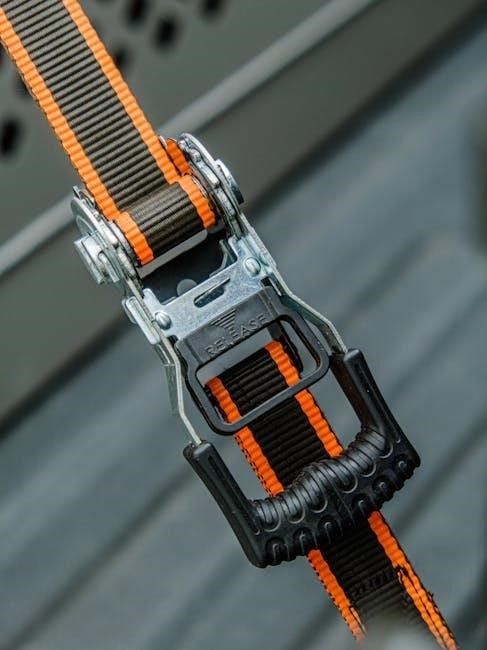
A properly functioning trailer brake controller is essential. It allows you to adjust the trailer’s braking force, synchronizing it with the truck’s. Test the controller before each trip to confirm it’s working correctly. Be aware of brake fade, especially on long descents; downshift to utilize engine braking. Always allow for extended stopping distances when towing, maintaining a safe following distance.
Transmission Temperature Management
Maintaining optimal transmission temperature is crucial when towing with your 2018 F-150. Towing places a significant strain on the transmission, generating substantial heat. Overheating can lead to reduced performance and potential damage. Utilize the Tow/Haul mode, which adjusts shift points to reduce transmission workload and heat buildup.
Consider installing an auxiliary transmission cooler, especially for heavy or frequent towing. Monitor transmission temperature, if possible, using a gauge or the vehicle’s information display. Avoid prolonged operation at high speeds or in demanding conditions. If overheating is suspected, pull over and allow the transmission to cool before continuing. Regular transmission fluid checks and changes are also vital for longevity.
Using Tow/Haul Mode
The 2018 F-150’s Tow/Haul mode is a vital feature for safe and efficient towing. Activating this mode recalibrates the transmission’s shift points, holding gears longer to reduce unnecessary shifting on inclines and during deceleration. This minimizes heat buildup in the transmission and provides enhanced engine braking control, crucial for descending steep grades with a loaded trailer.
Tow/Haul also adjusts throttle responsiveness, offering smoother and more predictable power delivery. It may also influence the operation of the cooling system to better manage engine and transmission temperatures. Remember to disengage Tow/Haul mode when not towing, as it can affect fuel economy and driving characteristics under normal conditions. Always consult your owner’s manual for specific details regarding Tow/Haul functionality.
Calculating Your Actual Towing Weight
Determining your actual towing weight is critical for safe operation. Don’t solely rely on the trailer’s listed weight; it’s essential to account for all cargo loaded within the trailer, including tools, supplies, and any fluids. Weigh the loaded trailer at a certified scale to obtain an accurate Gross Trailer Weight (GTW).
Next, calculate the total combined weight by adding the GTW to the F-150’s weight with passengers and cargo. This sum must not exceed the truck’s Gross Combined Weight Rating (GCWR). Carefully consider the distribution of weight within the trailer – proper weight distribution is vital for stability. Ignoring these calculations can lead to exceeding your truck’s limits, compromising braking performance and handling, and potentially causing an accident.
Legal Requirements and Regulations
Towing regulations vary significantly by location, demanding diligent research before embarking on any journey. States often have specific rules regarding trailer brakes, lighting requirements (including turn signals and brake lights), safety chains, and maximum trailer widths/lengths. Many jurisdictions require a special license or endorsement for towing over a certain weight threshold.
Furthermore, be aware of speed limits specifically designated for vehicles towing trailers, which are often lower than standard speed limits. Regularly check for updates to these regulations, as they can change. Failure to comply with these legal requirements can result in fines, penalties, and potentially jeopardize your insurance coverage. Always prioritize adherence to local and state towing laws for a safe and lawful towing experience.
Understanding Trailer Sway Control

Trailer sway, a potentially dangerous situation, occurs when the trailer begins to oscillate side-to-side, impacting vehicle stability. The 2018 F-150 incorporates Trailer Sway Control (TSC) as a standard safety feature, utilizing the vehicle’s braking system to counteract sway. TSC selectively applies brakes to individual wheels, helping to bring the trailer back into alignment.
However, TSC is a reactive system, not a preventative one. Proper loading of the trailer – with approximately 60% of the weight towards the front – is crucial. Avoid excessive speed, and be mindful of wind conditions. While TSC enhances safety, it’s essential to practice defensive towing techniques and understand its limitations. Regular maintenance of trailer tires and suspension also contributes to sway control.
2018 F-150 Towing Charts by Configuration
Determining your 2018 F-150’s precise towing capacity requires consulting specific charts, as it varies significantly based on engine, drivetrain (4×2 or 4×4), axle ratio, cab configuration, and towing package. Ford provides detailed towing guides outlining these capacities.

Generally, a properly equipped 2018 F-150 with the 3.5L EcoBoost engine can tow up to 13,200 pounds. The 5.0L V8 typically allows for around 11,600 pounds, while the 2.7L EcoBoost and 3.3L V6 offer capacities ranging from 7,700 to 9,000 pounds. Always refer to the official Ford towing guide for your specific vehicle configuration to ensure safe and legal towing practices. These charts are essential for responsible hauling.
Common Towing Mistakes to Avoid
Many towing issues stem from preventable errors. Overloading your F-150 is a primary mistake – exceeding GVWR or GCWR compromises handling and braking. Failing to properly distribute weight within the trailer and truck leads to instability and sway. Neglecting to use a weight distribution hitch when needed exacerbates this issue.
Incorrect hitch selection and improper trailer wiring are also frequent problems. Forgetting to check tire inflation on both the truck and trailer significantly impacts safety. Lastly, ignoring the Tow/Haul mode limits the transmission’s ability to manage the increased load. Prioritizing these checks and corrections ensures a safer, more controlled towing experience with your 2018 F-150.
Resources for Towing Information
Numerous resources are available to enhance your towing knowledge. Ford’s official website provides detailed 2018 F-150 towing guides and specifications, crucial for understanding your truck’s capabilities. Online forums dedicated to F-150s offer valuable insights from experienced towers, sharing practical advice and troubleshooting tips.
Trailer manufacturers’ websites often include load capacity information and best practices for safe towing. RV and boating communities are excellent sources for specific towing scenarios. Furthermore, local Ford dealerships can provide expert guidance and assistance with towing packages and accessories. Utilizing these resources ensures you’re well-prepared and informed for any towing endeavor with your 2018 F-150.