
Situational Awareness Toolbox Talk: An Overview
This toolbox talk focuses on enhancing on-the-job safety through heightened awareness, crucial for identifying hazards, making informed decisions, and preventing accidents effectively.
What is Situational Awareness?
Situational awareness is fundamentally about knowing what’s happening around you – your location, your intended destination, and the dynamic environment you’re operating within. It extends beyond simply perceiving your surroundings; it’s about understanding the potential for harm, both to yourself and to others.
Crucially, it involves constantly assessing if anyone or anything nearby presents a risk. This isn’t a passive process; it requires active observation and continuous evaluation. A strong grasp of situational awareness empowers proactive hazard identification and informed decision-making, ultimately leading to a safer work environment. It’s a vital skill for preventing accidents and fostering a culture of safety on any job site, especially within the construction industry.
The Three Elements of Situational Awareness
Situational awareness isn’t a single skill, but rather a combination of three interconnected elements: observation, comprehension, and anticipation. Observation is the foundational step – actively scanning and perceiving the environment around you, noticing critical details.
Comprehension follows, involving understanding the significance of those observations; what do they mean in the context of your work? Finally, anticipation utilizes that understanding to predict potential hazards and future events. These three elements work synergistically, creating a proactive safety mindset. Mastering each component is essential for developing robust situational awareness and minimizing risks on the job site.
Observation: The Foundation of Awareness
Effective observation is the cornerstone of situational awareness, demanding a proactive and deliberate approach to your surroundings. It’s more than just looking; it’s actively scanning for potential hazards, changes in the environment, and anything out of the ordinary.
Pay close attention to details – the position of equipment, the movements of colleagues, and any potential obstructions. Consciously focus on your surroundings, avoiding tunnel vision. Regularly assess your environment, even in familiar settings, as conditions can change rapidly. Strong observational skills are the first line of defense against workplace incidents.
Comprehension: Understanding Your Surroundings
Comprehension builds upon observation, requiring you to process the information gathered and understand its significance within the context of your work. It’s about interpreting what you see, recognizing potential risks, and understanding how those risks might impact your safety and the safety of others;
Ask yourself: What does this observation mean? How does it relate to my task? What could happen if conditions change? This stage involves connecting the dots and forming a clear mental picture of the situation. Accurate comprehension is vital for informed decision-making and proactive hazard control.
Anticipation: Predicting Potential Hazards
Anticipation is the highest level of situational awareness, involving projecting future events based on your observations and comprehension. It’s about asking “what if?” and proactively preparing for potential hazards before they arise.

Consider how conditions might change, what actions others might take, and what unforeseen events could occur. This predictive ability allows you to adjust your plans, take preventative measures, and avoid dangerous situations. Effective anticipation isn’t about being paranoid; it’s about being prepared and minimizing risk through foresight and proactive planning, ultimately enhancing safety.

Practical Applications on the Job Site
Applying situational awareness means consistently using PPE, employing correct tools, and carefully controlling movements to prevent contact with surrounding objects and machinery.
Personal Protective Equipment (PPE) and Tool Usage
Consistent and correct use of Personal Protective Equipment (PPE) is a fundamental aspect of maintaining situational awareness on any job site. Before commencing any task, ensure you are wearing the appropriate PPE for the hazards present – this includes, but isn’t limited to, hard hats, safety glasses, gloves, and appropriate footwear.
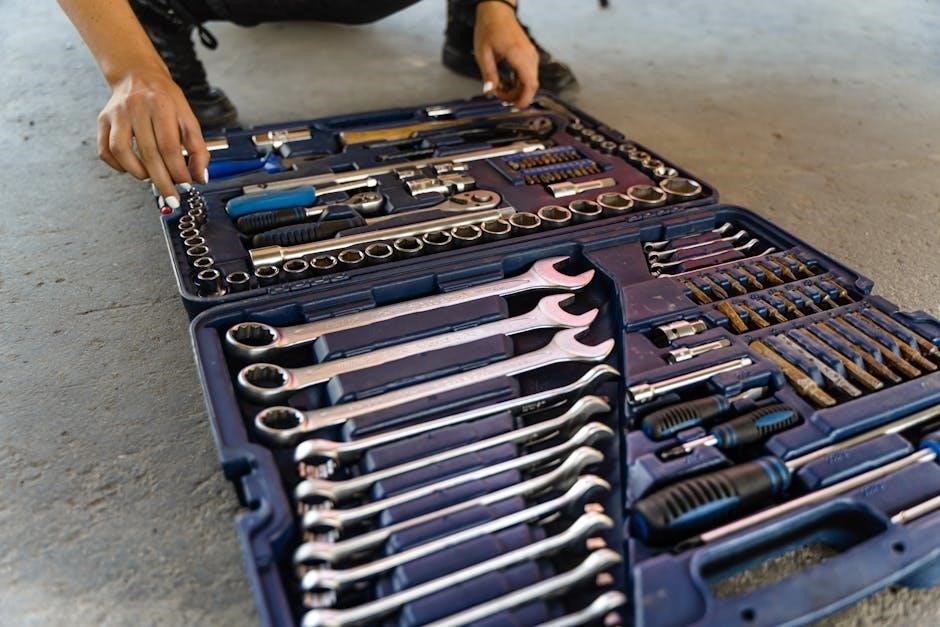
Furthermore, always utilize the correct tool for the job. Using the wrong tool can not only damage the equipment but also create unforeseen hazards. Before using any tool, inspect it for damage and ensure you understand its proper operation. A moment taken for inspection and understanding can prevent a serious incident.

Being mindful of your PPE and tool usage demonstrates a proactive approach to safety and significantly contributes to overall situational awareness.
Movement and Body Positioning
Maintaining awareness of your movement and body positioning is critical for preventing contact with objects, machinery, and other potential hazards. Adjust your movements to suit the work environment, minimizing speed when working in confined spaces or near moving equipment.
Constantly be aware of your hands and body in relation to surrounding objects. Avoid reaching into areas you cannot clearly see, and always maintain a safe distance from operating machinery.
Slow, deliberate movements allow you to better assess your surroundings and react to unexpected changes. Prioritizing mindful positioning significantly reduces the risk of collisions and injuries, bolstering overall situational awareness.
Post-Task Reflection: Identifying Unexpected Events
After completing any task, take a moment for post-task reflection – a vital component of strengthening situational awareness. Ask yourself: did anything unexpected occur during the work? Were there any near misses, unusual sounds, or changes in the environment that caught your attention?
Analyzing these events, even if they didn’t result in an incident, provides valuable learning opportunities.
Identifying these unexpected occurrences helps refine hazard identification skills and improve anticipation of potential risks in the future. This proactive approach fosters a culture of continuous improvement and enhances overall workplace safety.
Common Distractions and How to Combat Them
Distractions – loud noises, phone alerts, or mental fatigue – quickly diminish focus. Recognizing these moments and refocusing attention builds safer work habits.
Loud Work Environments

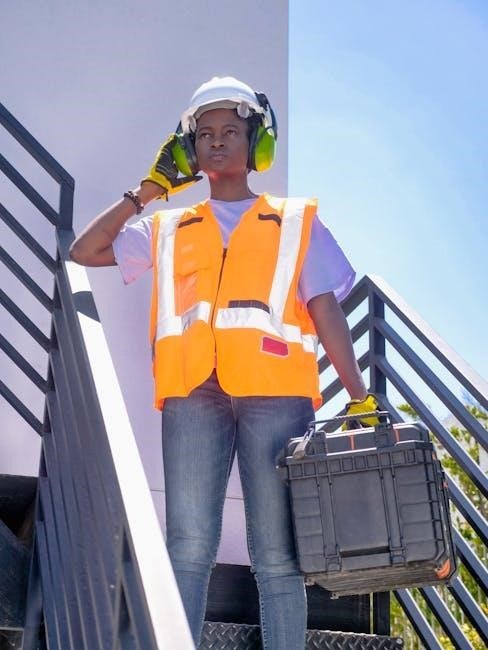
Construction sites and many industrial settings are inherently noisy, presenting a significant challenge to maintaining situational awareness. Constant loud sounds can mask critical warning signals – like reversing equipment, shouted alerts, or even the sounds of structural instability.
To combat this, prioritize hearing protection. Ensure everyone wears appropriate earplugs or earmuffs, and that these are properly fitted and maintained. However, remember that even with hearing protection, extremely loud environments can still be disorienting.
Regularly scan your surroundings visually, compensating for reduced auditory input. Communicate frequently with your team using clear hand signals or, when possible, two-way radios. Be extra vigilant when operating machinery or working near moving equipment in noisy areas.
Technological Distractions (e.g., Phones)
The pervasive presence of smartphones and other mobile devices introduces a significant distraction risk on the job site. Even a momentary glance at a text message or notification can break concentration and diminish situational awareness, potentially leading to serious incidents.
Establish a clear “no phone” policy in active work zones. Designate specific break areas where phone use is permitted. Encourage team members to silence their devices or utilize “do not disturb” features during work hours.
Lead by example – supervisors should also refrain from using phones in work areas. Remind everyone that focusing on the task at hand is paramount for safety. Prioritize communication and observation over instant connectivity.
Mental Fatigue and Awareness
Prolonged work hours, repetitive tasks, and stressful conditions can lead to mental fatigue, significantly impairing situational awareness. Fatigue reduces alertness, slows reaction times, and diminishes the ability to accurately assess surroundings. This creates a heightened risk of errors and accidents.
Encourage regular breaks to allow for mental and physical recovery. Promote adequate sleep and hydration. Recognize the signs of fatigue in yourself and your colleagues – decreased focus, irritability, and poor decision-making.
Rotate tasks to reduce monotony. Implement job rotation schedules where feasible. Prioritize tasks and avoid overextending individuals. A well-rested and focused workforce is a safer workforce.
Improving Situational Awareness: Key Strategies
Employ hazard identification techniques, refine decision-making processes, and prioritize proactive awareness to prevent accidents and foster a safer, more vigilant work environment.
Hazard Identification Techniques
Proactive hazard identification is paramount for bolstering situational awareness. Regularly scan your surroundings, actively seeking potential dangers before they escalate into incidents. Utilize techniques like pre-task assessments to evaluate risks associated with each job.
Implement “what if” scenarios to anticipate potential problems and develop preventative measures. Encourage open communication within the team, fostering a culture where everyone feels comfortable reporting hazards. Look beyond the immediate task, considering the broader work environment and potential interactions between different activities.
Remember to identify not only physical hazards, but also ergonomic risks and potential for slips, trips, and falls. Consistent application of these techniques will significantly improve your ability to recognize and mitigate dangers, leading to a safer workplace.
Effective Decision-Making Processes
Strong situational awareness directly informs sound decision-making. When faced with a potential hazard, quickly assess the risks and available options. Prioritize safety above all else, even if it means slowing down or modifying the task. Consider the potential consequences of each decision, both for yourself and others.
Utilize a clear and concise thought process: recognize the hazard, evaluate the risk, choose a safe course of action, and implement it. Don’t hesitate to ask for input from colleagues, especially those with relevant experience.
Effective communication is key – clearly articulate your decisions and reasoning to ensure everyone understands the plan. Regularly review decisions to identify areas for improvement and refine your process.
Accident Prevention through Proactive Awareness
Proactive situational awareness is the cornerstone of accident prevention. By consistently scanning your surroundings and anticipating potential hazards, you can take preventative measures before an incident occurs. This shifts the focus from reactive responses to a proactive safety mindset.
Regularly identify potential risks – what could go wrong? – and implement controls to mitigate those risks. This includes utilizing proper PPE, following safe work procedures, and maintaining a clean and organized workspace.
Cultivate a habit of questioning assumptions and challenging unsafe conditions. Report any hazards immediately and actively participate in safety discussions.
Resources and Further Information
Access a downloadable PDF toolbox talk from Raken, offering comprehensive guidance on situational awareness and accident prevention strategies for your team.
Downloadable PDF Toolbox Talk
Enhance your safety training with our readily available, downloadable PDF toolbox talk dedicated to situational awareness. This resource is meticulously designed to equip your team with the knowledge and practical skills needed to proactively identify hazards and mitigate risks on the job site.
The PDF comprehensively covers the core elements of situational awareness – observation, comprehension, and anticipation – providing clear examples and actionable strategies. It’s perfect for structured training sessions or quick tailgate talks, reinforcing the importance of perception and response to surroundings.
Raken offers this valuable tool to boost workplace safety, promoting a culture of proactive awareness and ultimately contributing to accident prevention. Download it today and empower your workforce to work safer and smarter!
Free Toolbox Safety Topics
Maintain a consistent safety focus with our library of free toolbox safety topics, delivered weekly to your crews. These concise, impactful talks cover a wide range of essential safety subjects, ensuring your employees remain vigilant and informed.

Beyond situational awareness, explore topics like fall protection, electrical safety, and proper lifting techniques. Regular reminders and new content keep safety top-of-mind, fostering a proactive safety culture.
Our service simplifies safety management by automatically sending a new topic each week, saving you valuable time and effort. Prioritize employee well-being and reduce workplace incidents with these readily accessible resources.

Construction Site Specific Considerations
Construction sites demand heightened awareness of dynamic risks; proactively recognizing hazards and improving situational awareness are vital for a safe work environment.
Recognizing Risks in Construction
Construction environments present unique and constantly changing hazards. A crucial aspect of situational awareness involves proactively identifying these risks before they escalate into incidents. This includes being vigilant about moving machinery, falling objects, unstable structures, and the actions of fellow workers.
Effective risk recognition requires a continuous scan of your surroundings, paying attention to potential dangers and anticipating how they might evolve. Consider factors like weather conditions, site layout, and the specific tasks being performed.
Don’t assume anything is safe; always verify conditions and communicate potential hazards to your team. A downloadable PDF toolbox talk can reinforce these principles, providing a structured approach to hazard identification and promoting a culture of safety on the construction site.
Improving Awareness in Construction Environments
Boosting situational awareness on construction sites demands consistent effort and practical strategies. Regularly utilize hazard identification techniques, actively scanning for potential dangers before and during tasks. Implement effective decision-making processes, pausing to assess risks before proceeding with any action.
Communication is paramount; clearly convey observed hazards to colleagues and supervisors. Leverage toolbox talks, like the downloadable PDF, to reinforce best practices and foster a shared commitment to safety. Minimize distractions – loud noises, phone use – and address mental fatigue promptly.
Proactive awareness is key to accident prevention, creating a safer and more productive work environment for everyone involved.