
Article Plan: Communion to the Sick (PDF Focus)
This article details bringing the Eucharist to those unable to attend Mass‚ focusing on the Church’s care and the specific rite—available as a PDF—for administering
Viaticum.
The Church profoundly recognizes the spiritual needs of the sick and homebound‚ desiring they not be deprived of the Eucharist’s consolations. This sacrament offers vital strength during illness‚ particularly when facing life’s final stages‚ serving as spiritual nourishment and a powerful connection to Christ.
Communion isn’t merely a ritual; it’s a lifeline of grace‚ offering peace‚ hope‚ and courage. For those unable to participate in Mass‚ bringing Communion to them embodies the Church’s pastoral care and unwavering commitment to her children’s wellbeing. This practice ensures the sick receive the ‘bread of life’—a source of comfort and preparation for eternity—even when physically unable to journey to the altar.
Specifically‚ when administered to those nearing death‚ it’s known as Viaticum‚ signifying provisions for the final journey.
Historical Context of Bringing Communion to the Sick
The practice of bringing Holy Communion to the sick dates back to the earliest days of the Church. Early Christians‚ recognizing the importance of the Eucharist‚ diligently sought ways to provide it to those confined by illness or persecution‚ unable to join the communal celebrations at the altar.
Historical accounts reveal house churches often served as centers for both worship and care for the sick‚ with Communion regularly brought to those within their homes. This practice wasn’t simply a matter of convenience‚ but a deeply rooted belief in the sacrament’s power to heal—both spiritually and‚ at times‚ physically.
Over centuries‚ this tradition evolved‚ becoming formalized within Church law and practice‚ always reflecting the Church’s unwavering concern for the spiritual welfare of all its members‚ especially those suffering.
The Church’s Concern for the Spiritual Welfare of the Ill
The Church demonstrates profound solicitude for the spiritual well-being of those facing illness‚ recognizing sickness as a time of heightened vulnerability and need. This concern isn’t merely pastoral; it’s rooted in the belief that the sacraments‚ particularly the Eucharist‚ offer unique grace and strength during times of suffering.
The Church actively desires that those unable to receive Communion at Mass due to illness should not be deprived of this vital sacrament. Pastors are encouraged to readily fulfill the pious requests of the sick‚ offering spiritual comfort and preparation for eternity.
This extends beyond those in immediate danger of death‚ encompassing anyone desiring to receive the Eucharist‚ even to fulfill a paschal precept or simply out of devotion. The Eucharist is truly considered life-giving bread.
Understanding Viaticum: Communion as Preparation for Eternity
Viaticum‚ derived from the Latin word for “provision for the journey‚” holds a special significance within the sacrament of Communion when administered to those nearing the end of life. It’s understood not simply as nourishment for the present‚ but as spiritual sustenance preparing the recipient for their final passage to eternity.
When Communion is given to individuals in danger of death and likely to receive it for the last time‚ it is specifically designated as Viaticum. This highlights the Church’s belief in the real presence of Christ offering strength and grace in facing death.
Receiving Viaticum unites the individual more closely to Christ in his Passion and Death‚ offering peace and hope as they transition from earthly life to eternal life with God. It’s a powerful testament to the Church’s enduring care.

Preparing for Communion to the Sick
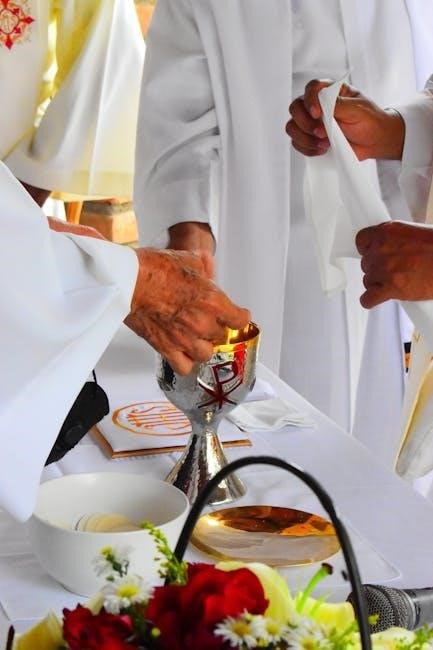
Pastors and extraordinary ministers must prepare diligently‚ ensuring a reverent environment with a linen cloth and candles‚ ready to deliver the Blessed Sacrament promptly.
Role of Pastors and Extraordinary Ministers
Pastors hold the primary responsibility for arranging and overseeing Communion to the sick‚ ensuring the sacrament is brought to those who desire it‚ especially during illness or inability to attend Mass. They delegate‚ when necessary‚ to properly trained and appointed extraordinary ministers. These ministers‚ often Eucharistic Ministers‚ assist in bringing the spiritual comfort of the Eucharist to individuals and families.
Extraordinary ministers receive the Eucharist from the Mass—after Communion and before the Prayer after Communion—specifically for delivery to the sick. It’s crucial they understand the profound reverence required when handling the Blessed Sacrament. Their role isn’t simply a delivery service; it’s a sacred ministry of presence and spiritual support. They should be mindful not to engage in unrelated errands while carrying the Eucharist‚ maintaining focus on the solemnity of the task.
Proper training and a deep understanding of the rite are essential for both pastors and ministers.
Preparing the Environment: The Linen Cloth and Candles
Creating a reverent atmosphere is paramount when bringing Communion to the sick. Family members or those present with the sick individual should prepare a dedicated space for receiving the Blessed Sacrament. This involves covering a table with a clean linen cloth‚ providing a dignified and respectful surface upon which to place the Eucharist.

The use of lighted candles is also encouraged‚ symbolizing Christ as the light of the world and enhancing the sacredness of the moment. These candles should be placed safely and with consideration for the environment. The intention is to create a small‚ intimate setting conducive to prayer and spiritual communion.
Careful attention to these details demonstrates respect for the Eucharist and acknowledges the profound spiritual significance of this encounter with Christ. It’s a tangible expression of the Church’s care and concern.
Receiving the Eucharist: Timing for Extraordinary Ministers
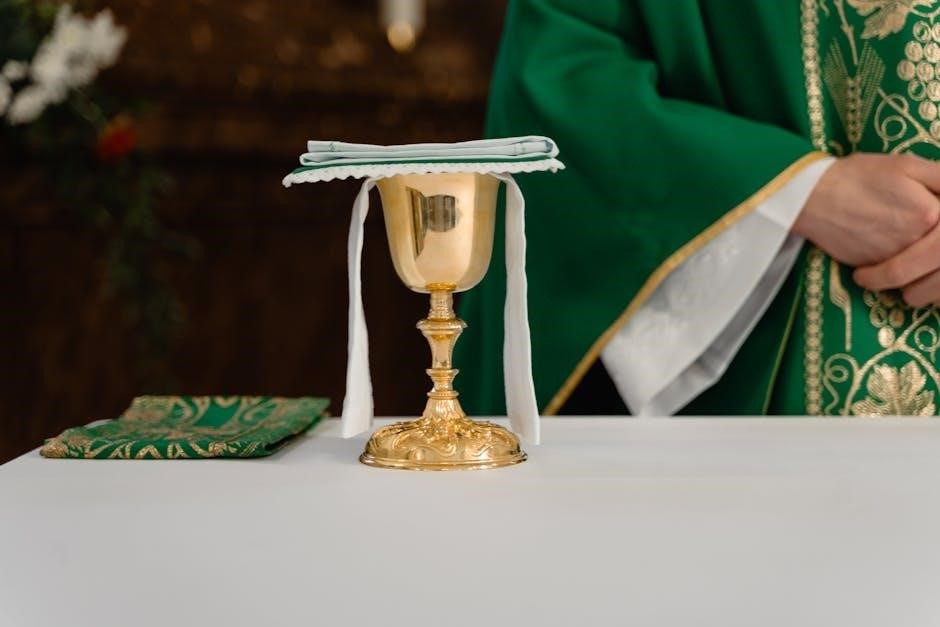
The timing of receiving the Eucharist for distribution to the sick is carefully prescribed. Extraordinary Ministers should receive the Blessed Sacrament at Mass after the distribution of Communion to the congregation‚ but before the Prayer after Communion. This ensures proper reverence and maintains the liturgical order.
This timing allows the minister to immediately depart for their assigned homes or healthcare facilities‚ bringing the Eucharist to those who are unable to join the parish community. It’s crucial that the minister understands this sequence to avoid disrupting the Mass or appearing disrespectful.
Furthermore‚ it is explicitly stated that Extraordinary Ministers should not engage in unrelated errands‚ such as shopping‚ while carrying the Blessed Sacrament. Their sole focus must remain on the sacred task of delivering Communion to the sick.
Avoiding Distractions During Transport of the Blessed Sacrament
Maintaining reverence during the transport of the Blessed Sacrament is paramount. Extraordinary Ministers must prioritize focused attention on the sacred duty entrusted to them. The guidance is clear: errands‚ such as personal shopping or other unrelated tasks‚ are strictly prohibited while bearing the Eucharist to the sick.
This directive underscores the profound respect due to the Real Presence of Christ. Any distraction diminishes the solemnity of the moment and could potentially lead to accidental disrespect. The minister’s thoughts and actions should be solely directed towards delivering spiritual comfort and strength.
Ministers should plan their route and ensure a safe‚ undisturbed journey‚ free from unnecessary interruptions. This commitment to focused reverence honors both the recipient and the sacred gift being delivered.
The Rite of Communion to the Sick
A specifically approved rite‚ accessible as a PDF‚ guides administering Communion to the sick‚ offering flexibility—like using the Gospel of the day—while prioritizing reverence.
Accessing the Approved Rite (PDF Download)
Ensuring the correct and reverent administration of Communion to the sick necessitates utilizing the officially approved rite‚ readily available for download in PDF format. This document provides a structured framework for Extraordinary Ministers and pastors‚ guaranteeing consistency and fidelity to Church teachings. The PDF outlines the prayers‚ readings‚ and gestures appropriate for this sacred ministry.
It’s crucial to download the rite directly from reputable sources – diocesan websites or those affiliated with the USCCB – to ensure authenticity and avoid outdated versions. While the rite provides a solid foundation‚ remember that flexibility is permitted‚ allowing for adaptation to the specific needs and circumstances of the individual receiving Communion. However‚ any deviations should be made with careful consideration and respect for the core elements of the sacrament. Following the PDF’s guidance fosters a deeply spiritual and comforting experience for the sick and their families.
Flexibility within the Rite: Using the Gospel of the Day
While the standard Rite of Communion to the Sick provides a designated Gospel passage from John‚ the guidelines acknowledge appropriate flexibility for pastoral sensitivity. Ministers are permitted‚ and often encouraged‚ to utilize the Gospel reading appointed for that particular day in the Church’s liturgical calendar. This adaptation allows for a deeper connection between the individual’s communion and the broader celebration of faith within the universal Church.
Employing the Gospel of the Day can enhance the spiritual resonance of the moment‚ offering a message particularly relevant to the sick person’s current journey. However‚ this choice should be made thoughtfully‚ considering the individual’s needs and the overall context of their illness. The PDF rite serves as a foundational structure‚ but this allowance demonstrates the Church’s understanding of the importance of personalized pastoral care‚ enriching the experience of receiving the Eucharist.
Specific Considerations for Those in Danger of Death
When administering Communion to individuals facing imminent death – known as Viaticum – the rite emphasizes profound reverence and spiritual preparation. This final Eucharist isn’t merely sustenance‚ but a strengthening provision for the journey towards eternity. Extraordinary Ministers should approach with particular sensitivity‚ recognizing the gravity of the moment and the individual’s spiritual needs.

The PDF rite highlights the importance of offering prayers for forgiveness and peace‚ acknowledging the individual’s life and entrusting them to God’s mercy. While the standard rite applies‚ a more extended period of prayer and reflection is appropriate. Family members should be encouraged to participate‚ offering their own prayers and support. This final sacrament is a powerful sign of God’s abiding presence and love in the face of death.
The Importance of Reverence and Dignity
Throughout the entire process of bringing Communion to the sick‚ maintaining utmost reverence and dignity is paramount. This extends from the careful handling of the Blessed Sacrament during transport to the respectful manner in which it is presented to the recipient. The PDF rite underscores the sacredness of this encounter‚ reminding Extraordinary Ministers they are acting in persona Christi.
Creating a peaceful and prayerful atmosphere is crucial. The linen cloth and lit candles‚ as suggested‚ contribute to this sense of the sacred. Communication should be gentle and compassionate‚ acknowledging the individual’s suffering and offering words of comfort. Avoid any rushed or perfunctory actions; each moment should reflect the profound mystery being celebrated. Errands should never be combined with carrying the Eucharist.
Practical Guidelines for Extraordinary Ministers
Ministers must handle the Blessed Sacrament with care‚ communicate compassionately with the sick and their families‚ and maintain accurate records—following the PDF rite.
Proper Handling of the Blessed Sacrament
Extraordinary Ministers bear a sacred responsibility when transporting the Eucharist to the sick. The PDF rite emphasizes reverence; errands unrelated to this ministry are strictly prohibited during transport. The Blessed Sacrament should be carried respectfully‚ ensuring its security and protecting it from any potential harm or desecration.
When receiving the Eucharist from Mass for the sick‚ this occurs after Communion distribution and before the Prayer after Communion. The vessel containing the Eucharist must be carefully secured. Ministers should maintain a spirit of prayerful devotion throughout the entire process‚ recognizing the profound reality of Christ’s presence.
Preparation includes a linen cloth placed on a table for the Sacrament‚ and lighted candles may enhance the atmosphere of reverence. The focus remains steadfastly on providing spiritual comfort and strength to the recipient‚ preparing them for eternity‚ especially if receiving Viaticum.
Communication with the Sick Person and Family
Effective communication is vital when bringing Communion to the sick‚ fostering a sense of peace and spiritual connection. Extraordinary Ministers should approach with sensitivity and respect‚ acknowledging the emotional and physical state of the recipient and their family. Before administering Viaticum‚ or regular Communion‚ a brief‚ comforting conversation can be deeply meaningful.
Inquire about the individual’s comfort and any specific needs or preferences they may have regarding the rite. Explain the significance of receiving the Eucharist‚ particularly as Viaticum – sustenance for the final journey.
The PDF rite doesn’t detail specific conversation points‚ allowing for flexibility based on the situation. However‚ offering reassurance and a listening ear is paramount. Respect the family’s wishes and privacy‚ and be mindful of creating a reverent and supportive atmosphere. A gentle presence can offer immense comfort.
Documentation and Record Keeping
Maintaining accurate records of Communion visits to the sick is a crucial responsibility for Extraordinary Ministers and the parish. While the approved PDF rite doesn’t explicitly detail record-keeping requirements‚ diligent documentation is essential for pastoral care and canonical purposes.
Records should include the date‚ time‚ and location of the visit‚ the name of the recipient‚ and whether it was Viaticum or regular Communion. Note the name of the Extraordinary Minister administering the sacrament.
This information assists in tracking those receiving the Eucharist regularly and provides valuable data for parish sacramental records. It also aids in follow-up care and ensures proper accountability. Parishes should establish a clear system for maintaining these records‚ adhering to diocesan guidelines and data privacy regulations. Proper documentation demonstrates responsible stewardship of this sacred ministry.
Resources and Further Information
Access the official PDF rite for Communion to the Sick for detailed guidance‚ alongside legal and canonical considerations impacting this sacred pastoral ministry.
Locating Official PDF Documents
Finding the approved rite for Communion to the Sick in PDF format is crucial for proper administration of this sacrament. Several diocesan websites and the United States Conference of Catholic Bishops (USCCB) often host this document. A direct link to download and print the rite is readily available online‚ ensuring ministers have the most current version.
It’s essential to verify the source’s authenticity to guarantee adherence to Church guidelines. Always prioritize documents originating from official Church sources‚ like diocesan liturgical commissions or the USCCB website. These PDFs typically outline the complete rite‚ including preparatory prayers‚ readings‚ and the administration of Viaticum.
Ensure the downloaded PDF is the most recent revision‚ as liturgical norms can be updated. Having a readily accessible‚ official PDF ensures Extraordinary Ministers of Holy Communion are equipped to serve the sick with reverence and fidelity to the Church’s teachings.
Legal and Canonical Considerations
Administering Communion to the sick operates within established canonical guidelines‚ ensuring both validity and proper reverence for the Eucharist. Canon Law dictates who may receive Communion – those not prohibited by law – and emphasizes the importance of providing spiritual sustenance to the ill;
Extraordinary Ministers of Holy Communion‚ when authorized‚ act under the authority of the pastor and within the parameters defined by diocesan policy. Proper documentation‚ as outlined in guidelines‚ is essential for record-keeping and accountability. The secure and respectful handling of the Blessed Sacrament‚ during transport and administration‚ is paramount‚ avoiding any distractions or inappropriate uses.
Adherence to the approved rite‚ available in PDF format‚ demonstrates respect for liturgical law. Understanding these legal and canonical aspects safeguards the sanctity of the sacrament and ensures faithful service to those in need of spiritual comfort.