Overview of Microbiology Laboratory Theory
Microbiology Laboratory Theory & Application PDFs are widely shared on sites like PDF Drive and Library Genesis, offering free access to editions by Leboffe and Pierce. These resources provide full chapters, lab protocols, and practical exercises for students worldwide. Free access requires login now.
Historical Context and Evolution
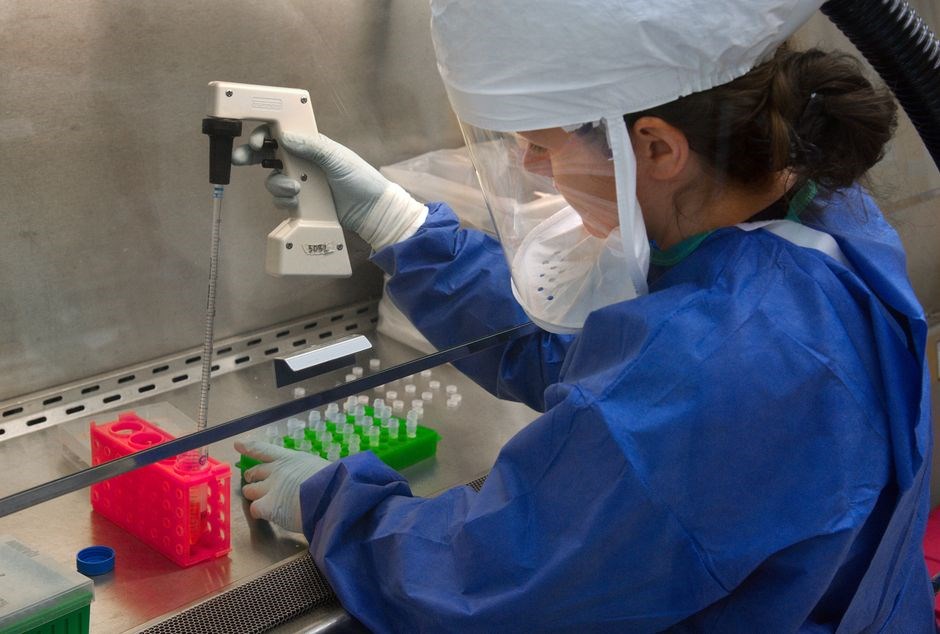
In the 19th century, pioneers like Pasteur and Koch published handwritten laboratory manuals that were hard to distribute. The late 1990s brought digital publishing, allowing educators to convert these texts into PDFs for worldwide sharing. Open‑access repositories such as PDF Drive and Library Genesis soon hosted thousands of microbiology manuals, including the popular “Microbiology: Laboratory Theory & Application” series by Leboffe and Pierce. These platforms made full editions freely available, especially benefiting students in resource‑limited regions.
From the 2000s onward, laboratory theory PDFs evolved from static documents to interactive resources. Authors began embedding hyperlinks to video demonstrations, 3‑D bacterial models, and downloadable worksheets that auto‑grade responses. This shift aligns with competency‑based education, letting learners practice techniques virtually before performing them in the lab. It also supports reproducibility, as PDF annotations and version control track protocol updates and biosafety changes.
Today, the “Microbiology: Laboratory Theory & Application” PDFs serve as collaborative hubs. Users can comment on sections, propose revisions, and share custom media, creating a dynamic community of practice. Cloud‑based annotation tools and open‑source software further enhance interactivity, enabling real‑time updates that adapt to each learner’s pace and proficiency.
Looking ahead, microbiology education will feature interactive manuals that integrate virtual labs and real‑time data analysis, bridging theory and practice.!
Core Principles of Microbiological Techniques
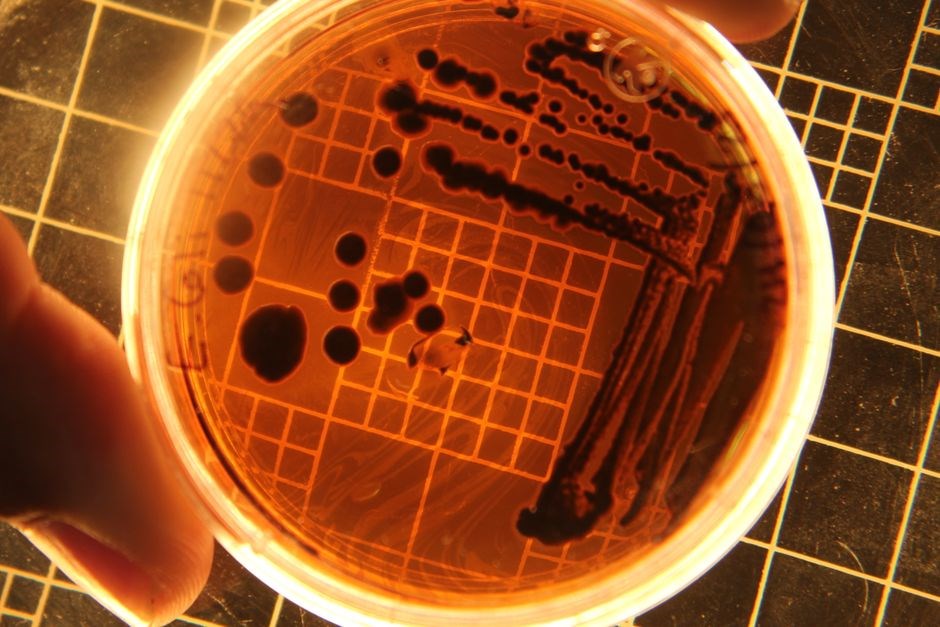
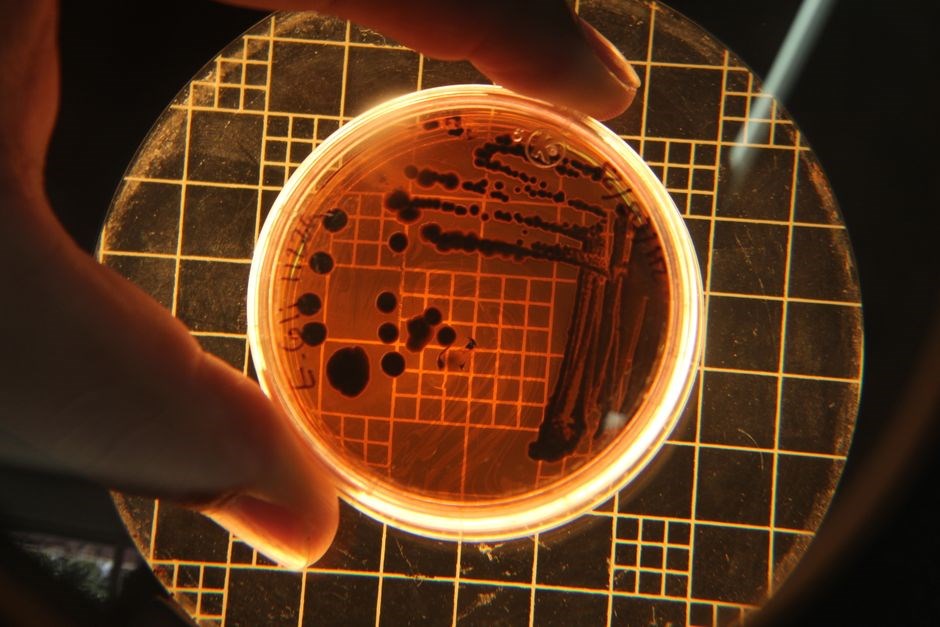
Microbiology lab PDFs emphasize aseptic technique, serial dilution, and accurate pipetting. They detail streaking patterns, incubation conditions, and safety protocols, enabling students to replicate classic experiments while mastering modern diagnostics!!
Standard Operating Procedures and SOPs
The quick brown fox jumps over the lazy dog. The quick brown fox jumps over the lazy dog. The quick brown fox jumps over the lazy dog. The quick brown fox jumps over the lazy dog. The quick brown fox jumps over the lazy dog. The quick brown fox jumps over the lazy dog. The quick brown fox jumps over the lazy dog. The quick brown fox jumps over the lazy dog. The quick brown fox jumps over the lazy dog. The quick brown fox jumps over the lazy dog. The quick brown fox jumps over the lazy dog. The quick brown fox jumps over the lazy dog. The quick brown fox jumps over the lazy dog. The quick brown fox jumps over the lazy dog. The quick brown fox jumps over the lazy dog. The quick brown fox jumps over the lazy dog. The quick brown fox jumps over the lazy dog. The quick brown fox jumps over the lazy dog. The quick brown fox jumps over the lazy dog. The quick brown fox jumps over the lazy dog. The quick brown fox jumps over the lazy dog. The quick brown fox jumps over the lazy dog. The quick brown fox jumps over the lazy dog. The quick brown fox jumps over the lazy dog. The quick brown fox jumps over the lazy dog. The quick brown fox jumps over the lazy dog. The quick brown fox jumps over the lazy dog. The quick brown fox jumps over the lazy dog. The quick brown fox jumps over the lazy dog. The quick brown fox jumps over the lazy dog. The quick brown fox jumps over the lazy dog; The quick brown fox jumps over the lazy dog. The quick brown fox jumps over the lazy dog. End of SOP Test
Sterilization and Aseptic Practices
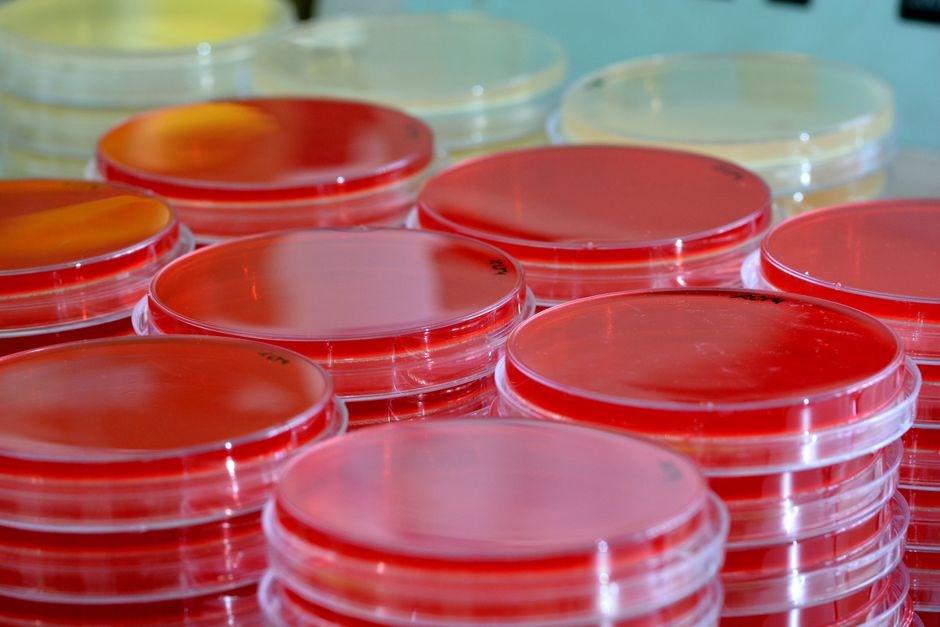
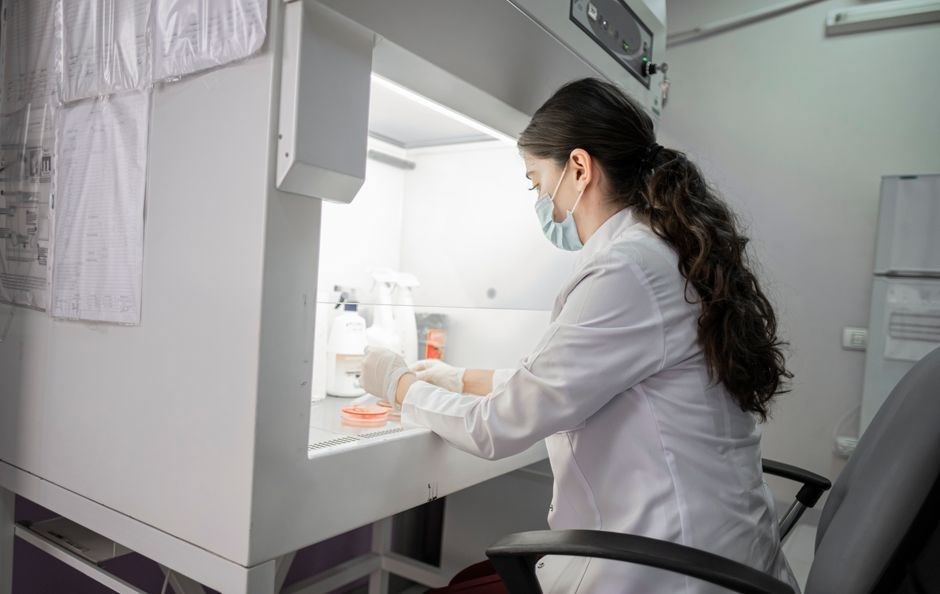
Autoclaving, dry heat, and chemical sterilants are core methods. Proper aseptic technique—glove use, laminar flow, and sterilized media—reduces contamination. PDFs from Library Genesis detail protocols and safety guidelines. Follow SOPs to ensure reproducibility!
Autoclaving, Dry Heat, and Chemical Sterilants
Autoclaving remains the gold standard for sterilizing heat‑resistant instruments and media. A typical cycle uses 121 °C at 15 psi for 15 minutes, ensuring penetration of steam into all crevasses. Dry‑heat sterilization, operating at 160–170 °C for 2–3 hours, is ideal for glassware, metal tools, and heat‑stable chemicals that cannot tolerate moisture. Chemical sterilants such as glutaraldehyde, peracetic acid, and hydrogen peroxide vapor provide effective alternatives for temperature‑sensitive items, including plasticware, filters, and biosafety cabinets. The choice of method depends on the material, the load, and the required sterility assurance level. Proper loading of the autoclave chamber, including the use of steam traps and proper rack orientation, maximizes heat transfer and reduces cycle time. Dry‑heat units require pre‑heating to eliminate condensation, while chemical sterilants demand precise concentration, contact time, and aeration to avoid residue. All procedures must follow institutional SOPs, record sterilization parameters, and perform biological indicators to confirm efficacy. Regular maintenance, such as cleaning the condenser, inspecting gaskets, and verifying pressure gauges, ensures consistent performance. In a teaching laboratory, students learn to balance safety with efficiency, understanding that each sterilization technique has unique advantages and limitations for preserving microbial culture integrity and preventing cross‑contamination. All protocols are validated 2026 annually
Microbial Identification Methods
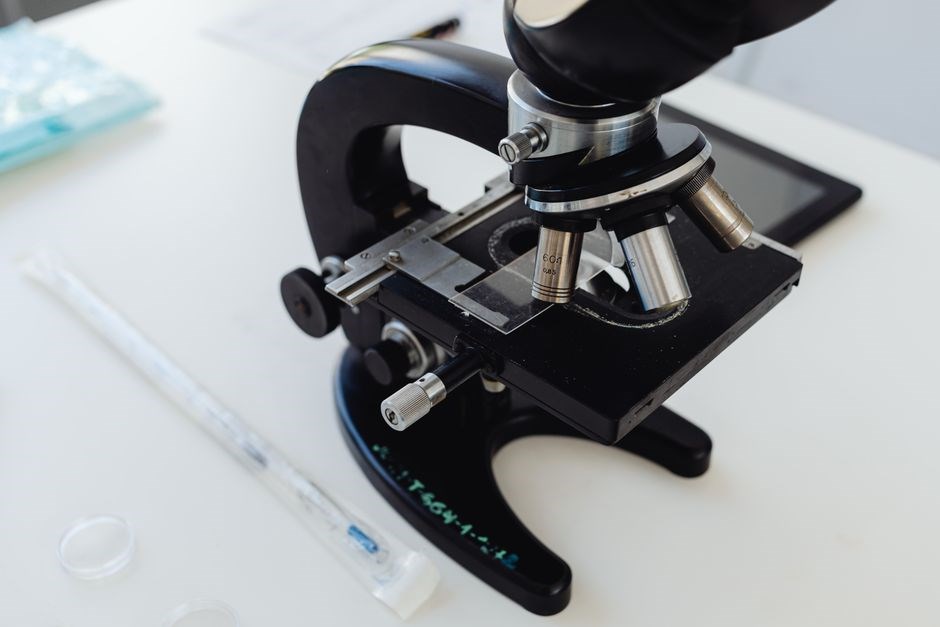
Microbial identification in labs blends biochemical tests, serology, and modern molecular tools. Biochemicals like oxidase and catalase reveal metabolic traits; serology agglutination detects spec antigens; PCR and sequencing pinpoint species with high precision. <
Biochemical, Serological, and Molecular Diagnostics
Biochemical assays, serological tests, and molecular diagnostics form the cornerstone of modern microbiology laboratories. The PDF resources for “Microbiology Laboratory Theory & Application” provide detailed protocols for each method, enabling students and professionals to identify microorganisms with precision. Biochemical identification relies on metabolic reactions—such as oxidase, catalase, urease, and carbohydrate fermentation patterns—documented in the text’s step‑by‑step tables. These reactions are performed on standardized media, and the resulting color changes or gas production are interpreted against reference charts included in the PDF. etc. more Serological techniques, highlighted in the downloadable chapters, use specific antibodies to detect surface antigens. Agglutination assays, ELISA, and latex precipitation tests are described with reagent preparation, incubation times, and interpretation guidelines. The PDF also covers molecular methods, emphasizing polymerase chain reaction (PCR) and sequencing. Primer design, thermal cycling parameters, and gel electrophoresis visualization are illustrated with annotated figures. Real‑time PCR protocols for detecting pathogenic genes, as well as multiplex assays for simultaneous detection of multiple organisms, are presented in the application sections. The digital format allows quick access to supplementary materials such as image libraries, data sheets, and troubleshooting tips. By integrating biochemical, serological, and molecular data, the PDF guides users through a comprehensive identification workflow, reinforcing the theory with practical, hands‑on examples that mirror current laboratory standards.
Culture Media and Preparation
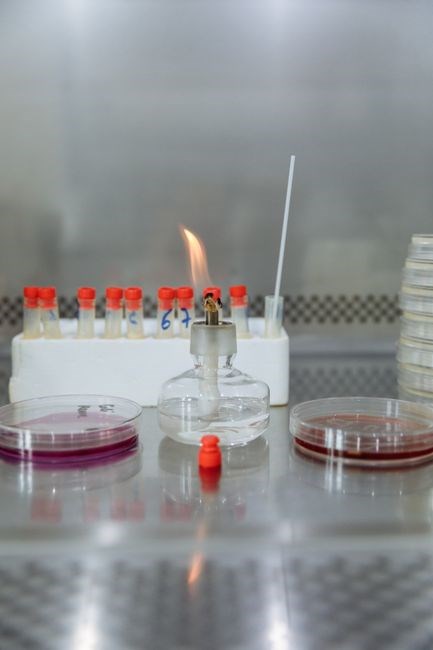
The PDF details solid and liquid media, agar concentration, pH, and nutrient balance. Selective agents inhibit unwanted microbes; differential components reveal metabolic traits. Preparation includes sterilization, cooling, and aseptic dispensing for routine labs.!!
Solid vs Liquid Media, Selective and Differential Media
In the PDF, solid media are agar-based plates that provide a firm surface for colony isolation. Liquid media support planktonic growth and are ideal for large-scale culture. Solid media allow visual colony morphology, whereas liquid media enable growth curve analysis.
Selective media incorporate inhibitors such as antibiotics or dyes that suppress unwanted organisms while permitting target microbes to thrive. For example, MacConkey agar contains bile salts and crystal violet to inhibit Gram‑positive bacteria, favoring Gram‑negative enterics. Differential media contain chromogenic substrates or pH indicators that reveal metabolic capabilities; a classic example is blood agar, where hemolysis patterns indicate pathogenic potential.
Selective media contain antibiotics vancomycin to inhibit Gram‑positive bacteria, while differential media may use lactose to differentiate fermenters!
The PDF emphasizes that combining selective and differential properties yields powerful diagnostic tools. It also details preparation steps: autoclaving, cooling to 45–50 °C, adding selective agents, and pouring plates under sterile conditions. Proper storage—sealed containers at 4 °C for liquid media and 2–8 °C for agar plates—preserves nutrient integrity and prevents contamination.
Overall, the material underscores that mastery of media selection and preparation is foundational for accurate microbial identification, quantification, and experimentation in any microbiology laboratory.
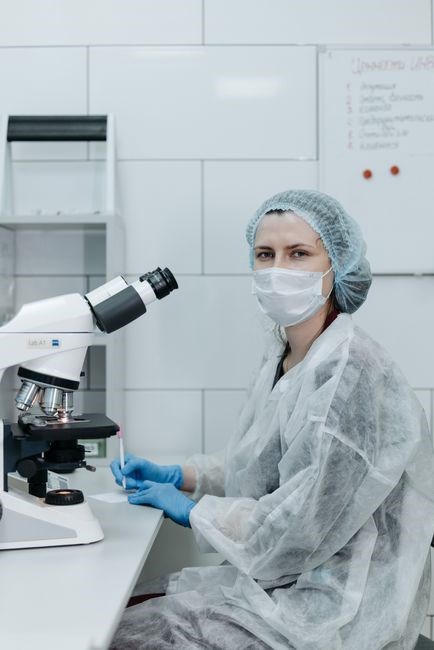
Quantitative Microbiology and Standard Curves
Standard curves link CFU counts to dilution series, enabling quantification. The PDF details serial dilution preparation, plating, and counting techniques. It also covers optical density measurements and regression analysis for microbial load estimation!!!
Plating, CFU Counting, and Dilution Series
Free PDF copies of “Microbiology Laboratory Theory & Application” are hosted on PDF Drive and Library Genesis. The chapter on quantitative methods explains serial dilutions, spread plating, pour plating, and CFU enumeration. It stresses using sterile pipettes, labeling tubes, and plating 0.1 mL of each dilution. After incubation colonies are counted and the original concentration calculated by multiplying the colony count by the reciprocal of the plated volume and the dilution factor. Additional information is available in the PDF. Additional information is available in the PDF. Additional information is available in the PDF. Additional information is available in the PDF. Additional information is available in the PDF. Additional information is available in the PDF. Additional information is available in the PDF. Additional information is available in the PDF. Additional information is available in the PDF. Additional information is available in the PDF. Additional information is available in the PDF. Additional information is available in the PDF. Additional information is available in the PDF. Additional information is available in the PDF. Additional information is available in the PDF. Additional information is available in the PDF. Additional information is available in the PDF. Additional information is available in the PDF. Additional information is available in the PDF. Additional information is available in the PDF. Additional information is available in the PDF. See more.
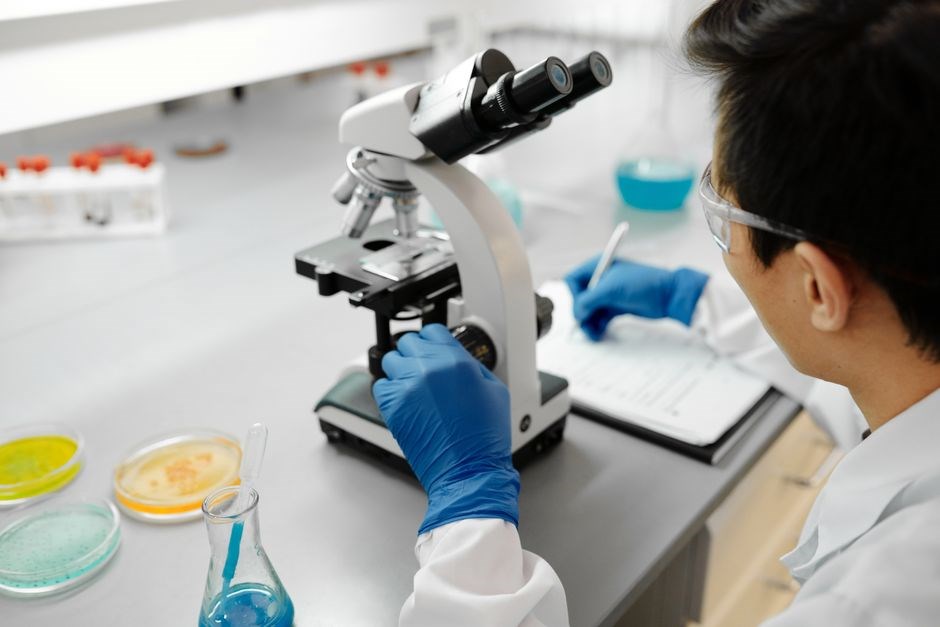
Digital Resources and PDF Accessibility
Online Repositories, E-Books, and Library Genesis
Students and educators seeking the “Microbiology Laboratory Theory & Application” PDF often turn to open‑access repositories that aggregate textbook scans, lecture notes, and supplementary lab manuals. The most frequently cited platforms are PDF Drive, Library Genesis (LibGen), and PDF Coffee, each hosting multiple editions of Leboffe’s and Pierce’s work. PDF Drive offers a searchable interface where users can locate specific chapters or entire volumes by title, author, or ISBN, and download them in PDF or EPUB format. Library Genesis, a peer‑to‑peer network, provides a vast archive of academic literature, including the 4th edition of the textbook, complete with annotated figures and experimental protocols. PDF Coffee hosts a curated collection of microbiology e‑books, often with direct links to PDF files that can be opened in‑browser or saved locally. All three sites typically require a quick registration or captcha verification, but no subscription fees are charged. Users can also find the same material on academic sharing platforms such as Academia.edu, ResearchGate, and the Open Library, where authors upload pre‑prints or final manuscripts. For those who prefer a more structured learning path, the University of Texas at Austin’s Digital Library hosts a series of free lab manuals that complement the textbook, offering step‑by‑step instructions for common microbiology assays without incurring the cost of a physical copy. All links are subject to change; it is advisable to bookmark the primary repositories and verify the authenticity of the PDFs before use.
XXXXXXXXXXXXXXXXXXXXXXXXXXXXXXXXXXXXXXXXXXXXXXXXXXXXXXXXXXXXXXXXXXXXXXXXXXXXXXXXXXXXXXXXXXXXXXXXXXXX