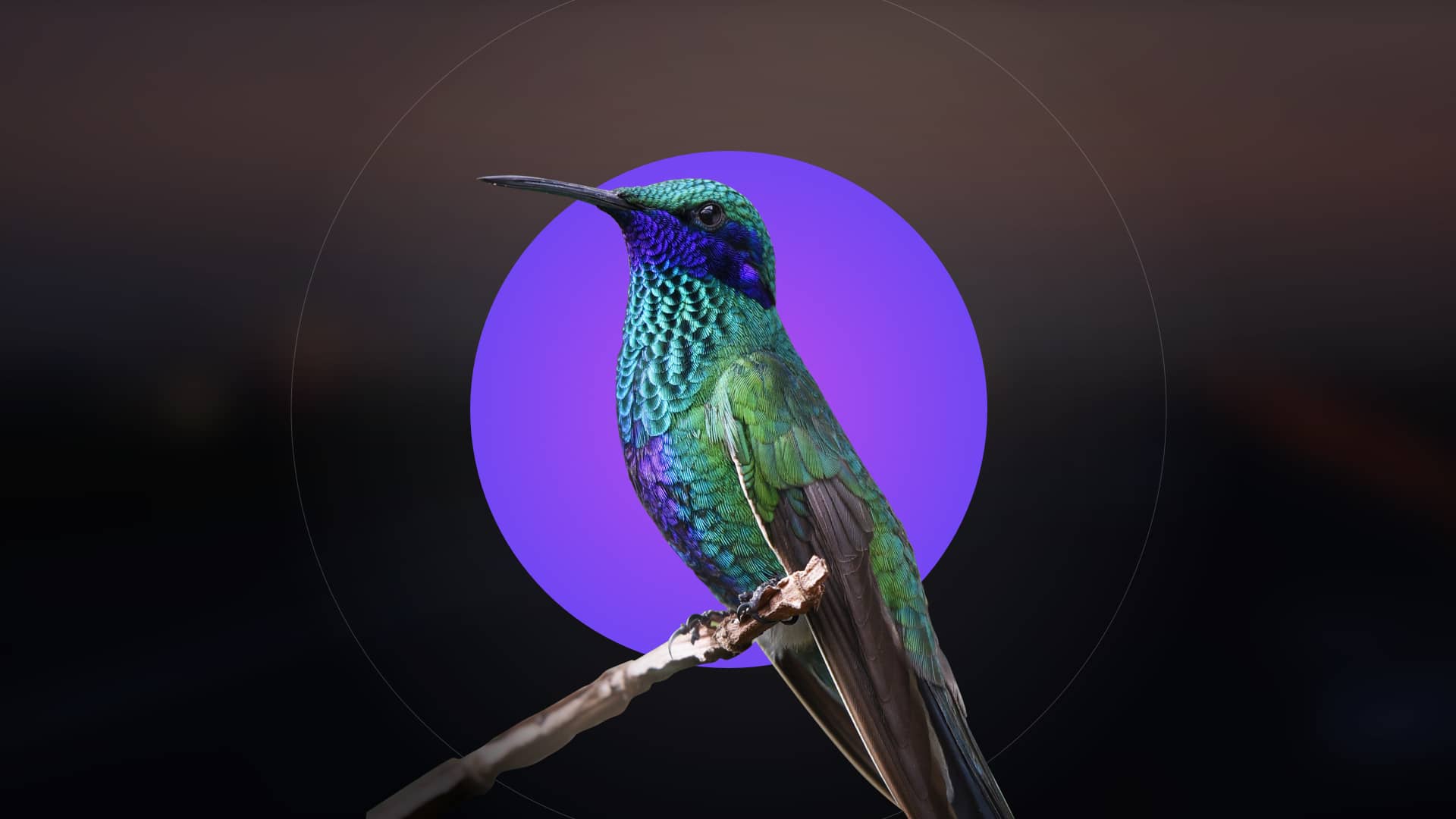
Biology explores the fascinating world of life‚ from microscopic organisms to complex ecosystems‚ offering insights into existence itself‚ as seen in recent studies.
What is Biology?
Biology‚ fundamentally‚ is the scientific study of life. It delves into the structure‚ function‚ growth‚ origin‚ evolution‚ and distribution of living organisms. This expansive field encompasses a vast range of sub-disciplines‚ from molecular biology examining life at its smallest components‚ to ecology investigating interactions within ecosystems.
Recent explorations‚ like those concerning discoveries on Mars – as highlighted in the film “Life” (2017) – underscore biology’s relevance beyond Earth. The pursuit of understanding life isn’t merely academic; it informs crucial areas like medicine‚ agriculture‚ and environmental conservation. Resources like the “LIFE AND MINISTRY MEETING WORKBOOK” demonstrate ongoing engagement with life’s complexities‚ even within spiritual contexts. Biology seeks to answer fundamental questions about what it means to be alive.
The Characteristics of Living Organisms
Defining life isn’t simple‚ but several key characteristics distinguish living organisms. These include organization – from cells to complex systems – metabolism‚ the ability to process energy‚ growth‚ adaptation‚ response to stimuli‚ and reproduction. Maintaining homeostasis‚ a stable internal environment‚ is also crucial.
The search for life beyond Earth‚ exemplified by the mission in “Life” (2017)‚ hinges on identifying these characteristics. Even the study of potential Martian organisms requires understanding these fundamental principles. Furthermore‚ resources like the “LIFE AND MINISTRY MEETING WORKBOOK” implicitly acknowledge life’s inherent value and complexity. These traits aren’t always present in isolation‚ but collectively define the phenomenon we recognize as being alive‚ driving biological study.

The Molecular Basis of Life
Life’s building blocks – carbohydrates‚ lipids‚ proteins‚ and nucleic acids – dictate structure and function‚ mirroring the complex interactions explored in biological research today.
Biomolecules: Carbohydrates‚ Lipids‚ Proteins‚ and Nucleic Acids
Biomolecules are essential organic compounds crucial for all known forms of life. Carbohydrates‚ like sugars and starches‚ provide energy and structural support. Lipids‚ including fats and oils‚ store energy‚ form cell membranes‚ and act as signaling molecules.
Proteins‚ constructed from amino acids‚ perform a vast array of functions – enzymes catalyzing reactions‚ structural components‚ and immune defense. Finally‚ nucleic acids – DNA and RNA – carry genetic information‚ directing cell activities and heredity.
These molecules interact dynamically‚ forming the intricate machinery of living organisms. Understanding their structure and function is fundamental to comprehending the molecular basis of life‚ as detailed in comprehensive biology resources.
The Structure and Function of Cells
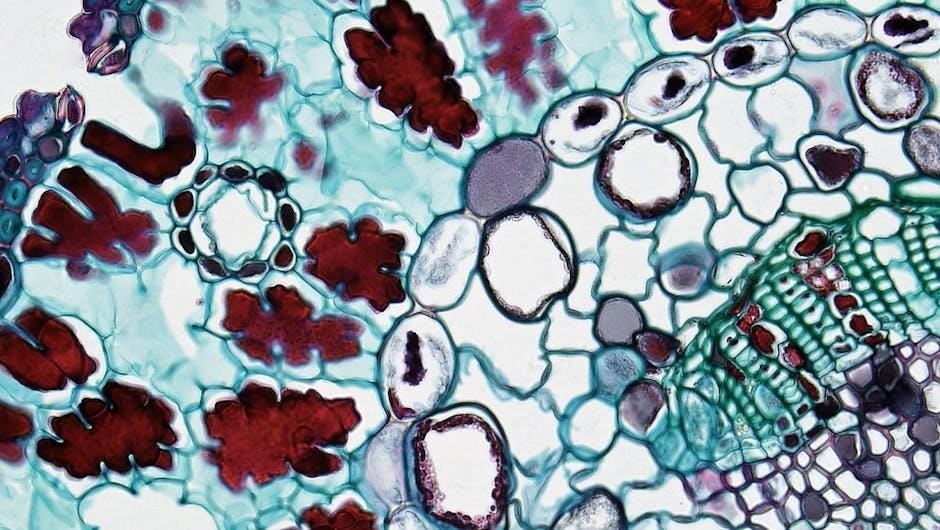
Cells are the basic units of life‚ exhibiting remarkable structural complexity and functional diversity. Prokaryotic cells‚ like bacteria‚ lack a nucleus and other membrane-bound organelles‚ while eukaryotic cells – found in plants‚ animals‚ fungi‚ and protists – possess a defined nucleus and specialized compartments.
Key cellular structures include the cell membrane regulating transport‚ the nucleus housing genetic material‚ and ribosomes synthesizing proteins. Mitochondria generate energy through cellular respiration‚ and the endoplasmic reticulum and Golgi apparatus process and package molecules.
Cell structure directly dictates function‚ enabling life’s processes. Studying cells is paramount to understanding the intricacies of biological systems‚ as detailed in comprehensive biology texts.
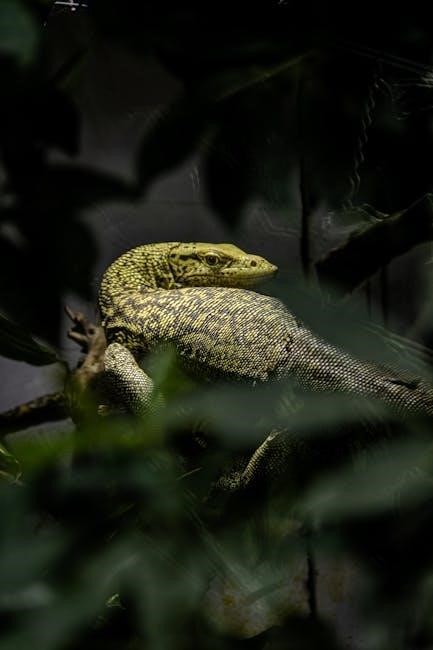
Cellular Processes
Cellular processes‚ like respiration and photosynthesis‚ drive life’s functions‚ converting energy and nutrients for growth‚ maintenance‚ and reproduction within organisms.
Cellular Respiration and Energy Production
Cellular respiration is a fundamental process where organisms break down glucose to generate adenosine triphosphate (ATP)‚ the primary energy currency of cells. This intricate pathway‚ occurring in the mitochondria‚ involves glycolysis‚ the Krebs cycle‚ and oxidative phosphorylation.
Essentially‚ it’s how living beings convert the energy stored in food into a usable form. Oxygen plays a crucial role as the final electron acceptor‚ yielding carbon dioxide and water as byproducts. Without efficient cellular respiration‚ complex life as we know it wouldn’t be sustainable.
Different organisms employ variations of this process‚ adapting to their environments and energy needs. Understanding cellular respiration is key to comprehending metabolic rates and energy flow within ecosystems.
Photosynthesis and Energy Capture
Photosynthesis is the remarkable process utilized by plants‚ algae‚ and some bacteria to convert light energy into chemical energy in the form of glucose. This occurs within chloroplasts‚ utilizing chlorophyll to capture sunlight. Water and carbon dioxide are essential inputs‚ releasing oxygen as a vital byproduct.
Essentially‚ it’s the foundation of most food chains‚ providing the initial energy source for nearly all ecosystems. The light-dependent reactions capture energy‚ while the Calvin cycle uses it to synthesize sugars.
Variations exist‚ like C4 and CAM photosynthesis‚ adapting to different environmental conditions. Understanding photosynthesis is crucial for comprehending global carbon cycles and the sustainability of life on Earth.
Cell Division: Mitosis and Meiosis
Cell division is fundamental to life‚ enabling growth‚ repair‚ and reproduction. Mitosis produces two genetically identical daughter cells from a single parent cell‚ crucial for growth and tissue repair in somatic cells. It involves phases: prophase‚ metaphase‚ anaphase‚ and telophase‚ ensuring accurate chromosome segregation.
Meiosis‚ conversely‚ generates four genetically diverse haploid gametes (sex cells) from a diploid cell. This process includes two rounds of division‚ reducing chromosome number by half and introducing genetic variation through crossing over.

Meiosis is essential for sexual reproduction‚ maintaining chromosome number across generations. Errors in either process can lead to genetic disorders‚ highlighting their precision and importance.
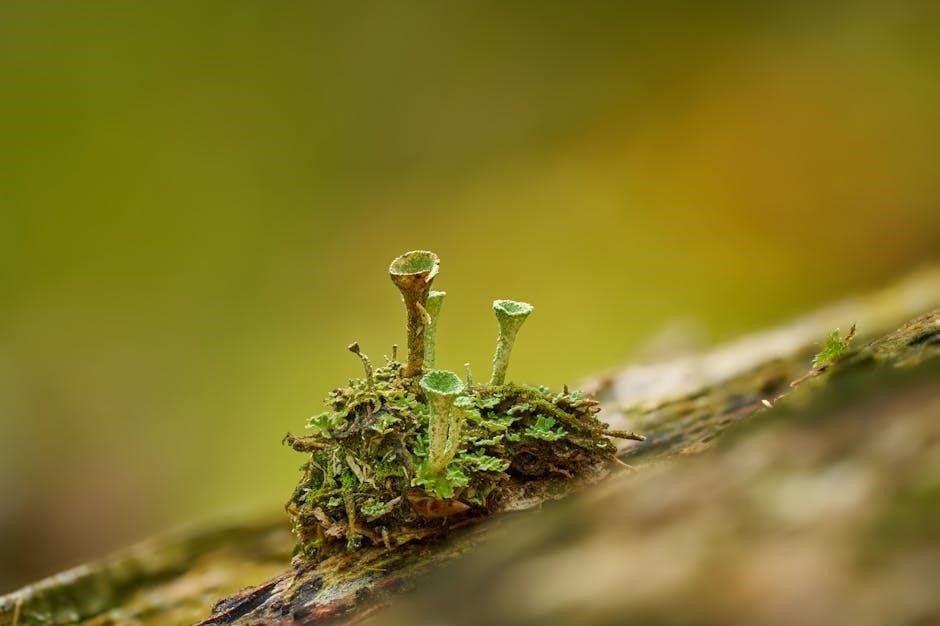
Genetics and Heredity
Genetics unveils how traits are inherited‚ exploring DNA structure‚ gene expression‚ and Mendelian patterns—the core of hereditary mechanisms within living organisms.
DNA Structure and Replication
Deoxyribonucleic acid (DNA)‚ the blueprint of life‚ possesses a remarkable double helix structure‚ composed of nucleotides containing deoxyribose sugar‚ phosphate groups‚ and nitrogenous bases – adenine‚ guanine‚ cytosine‚ and thymine.
These bases pair specifically (A with T‚ and C with G)‚ forming the ‘rungs’ of the DNA ladder. DNA replication is a crucial process ensuring genetic information is accurately copied before cell division. This complex process involves enzymes like DNA polymerase‚ which meticulously unwinds the double helix and synthesizes new complementary strands;
The result is two identical DNA molecules‚ each containing one original strand and one newly synthesized strand – a process known as semi-conservative replication. Accuracy is paramount‚ with proofreading mechanisms minimizing errors‚ safeguarding the integrity of the genetic code passed on to subsequent generations. This ensures the continuity of life’s information.
Gene Expression: Transcription and Translation
Gene expression is the process by which information encoded in DNA directs the synthesis of proteins‚ the workhorses of the cell. This occurs in two main stages: transcription and translation. During transcription‚ a DNA sequence is copied into messenger RNA (mRNA) by RNA polymerase‚ essentially creating a mobile copy of the genetic instructions.
This mRNA then travels to ribosomes‚ where translation takes place. Ribosomes ‘read’ the mRNA code in triplets called codons‚ each specifying a particular amino acid. Transfer RNA (tRNA) molecules deliver the corresponding amino acids to the ribosome‚ where they are linked together to form a polypeptide chain.
This polypeptide chain folds into a functional protein‚ carrying out a specific role within the cell. This intricate process ensures that genetic information is accurately converted into functional products.
Mendelian Genetics and Inheritance Patterns
Mendelian genetics‚ founded by Gregor Mendel‚ explains how traits are passed from parents to offspring. Mendel’s experiments with pea plants revealed fundamental principles like the Law of Segregation – each individual carries two alleles for each trait‚ which separate during gamete formation.
The Law of Independent Assortment states that alleles of different genes assort independently of one another during gamete formation. These principles explain patterns like dominant and recessive traits‚ where a dominant allele masks the effect of a recessive one.

Punnett squares are used to predict the probability of offspring inheriting specific traits. Understanding these patterns is crucial for comprehending heredity and genetic variation within populations.

Evolution and Biodiversity
Evolution‚ driven by natural selection‚ shapes the incredible biodiversity of life on Earth‚ adapting organisms to their environments over vast timescales.
The Theory of Evolution by Natural Selection
Charles Darwin’s groundbreaking theory posits that life evolves through a process of natural selection. Organisms exhibiting traits better suited to their environment are more likely to survive and reproduce‚ passing those advantageous characteristics to subsequent generations.
This leads to gradual changes in populations over time‚ ultimately resulting in the emergence of new species. Variation within populations is crucial‚ arising from genetic mutations and recombination during sexual reproduction.
Environmental pressures‚ such as limited resources or predation‚ act as selective agents‚ favoring individuals with beneficial adaptations. This isn’t a random process; it’s a directional one‚ guided by the demands of the environment. Evidence supporting this theory is abundant‚ ranging from the fossil record to comparative anatomy and molecular biology.
Evidence for Evolution
Fossil records provide a historical sequence of life‚ demonstrating transitions and the extinction of species over millions of years‚ showcasing evolutionary change. Comparative anatomy reveals structural similarities between different organisms‚ indicating common ancestry – homologous structures serve different functions but share underlying designs.
Embryological development shows striking resemblances during early stages‚ further supporting shared origins. Molecular biology offers compelling evidence through DNA and protein sequence comparisons; the more closely related species are‚ the more similar their genetic material.
Biogeography‚ the study of species distribution‚ illustrates how species evolve in isolation on different continents. Observed instances of natural selection in action‚ like antibiotic resistance in bacteria‚ demonstrate evolution occurring in real-time‚ solidifying the theory’s validity.
Classification of Living Organisms
Taxonomy‚ the science of classifying life‚ organizes the incredible diversity of organisms into hierarchical groups. The Linnaean system‚ still in use‚ employs a nested structure: Domain‚ Kingdom‚ Phylum‚ Class‚ Order‚ Family‚ Genus‚ and Species.
Currently‚ three Domains are recognized: Bacteria‚ Archaea‚ and Eukarya. Eukarya encompasses the familiar kingdoms – Protista‚ Fungi‚ Plantae‚ and Animalia – each characterized by unique cellular structures and modes of nutrition.
Phylogenetic trees‚ based on evolutionary relationships‚ visually represent these classifications. Modern classification increasingly utilizes molecular data (DNA‚ RNA) alongside morphological traits‚ refining our understanding of evolutionary history and ensuring accuracy in categorizing all forms of life.

Ecology and the Environment
Ecology examines interactions between organisms and their surroundings‚ encompassing ecosystems‚ populations‚ and the biosphere – vital for understanding life’s sustainability.
Ecosystems and Biomes
Ecosystems represent communities of living organisms interacting with their physical environment‚ functioning as integrated units of life. These dynamic systems encompass both biotic (living) and abiotic (non-living) components‚ showcasing intricate relationships like predator-prey dynamics and nutrient cycles.
Biomes‚ on a larger scale‚ are geographically distinct ecosystems characterized by specific climate conditions‚ dominant plant life‚ and associated animal communities. Examples include forests‚ grasslands‚ deserts‚ and aquatic environments. Each biome supports unique biodiversity‚ shaped by factors like temperature‚ rainfall‚ and sunlight.
Understanding ecosystems and biomes is crucial for comprehending the interconnectedness of life on Earth and the impact of environmental changes. Studying these systems allows us to assess the health of our planet and develop strategies for conservation and sustainable resource management‚ ensuring the continuation of life as we know it.
Population Ecology
Population ecology focuses on the dynamics of species populations and how they interact with their environment. Key factors studied include population size‚ density‚ distribution‚ and growth rates‚ all vital for understanding species survival.
This field investigates birth and death rates‚ immigration and emigration‚ and the factors that regulate these processes. Concepts like carrying capacity – the maximum population size an environment can sustain – are central to population ecology.
Analyzing population trends helps predict future changes and assess the impact of environmental factors‚ such as resource availability‚ predation‚ and disease. Understanding these dynamics is crucial for conservation efforts‚ managing wildlife populations‚ and addressing challenges related to human population growth and its impact on the planet’s ecosystems.
Conservation Biology
Conservation biology is a mission-oriented discipline addressing the loss of biodiversity. It integrates ecological principles with other sciences to protect species and ecosystems facing threats like habitat destruction‚ climate change‚ and invasive species;
This field employs strategies like establishing protected areas‚ restoring degraded habitats‚ and managing endangered species populations. Genetic diversity within populations is a key focus‚ ensuring long-term adaptability;
Conservation biologists also work to mitigate human impacts‚ promote sustainable resource use‚ and raise public awareness about the importance of biodiversity. Addressing the ethical dimensions of conservation and engaging local communities are crucial components of successful conservation efforts‚ aiming to preserve life’s intricate web for future generations.
Human Biology
Human biology investigates the human organism‚ encompassing anatomy‚ physiology‚ genetics‚ and evolution‚ exploring health‚ disease‚ and bodily systems’ intricate functions.
The Human Body Systems
The human body is a remarkably integrated machine‚ functioning through eleven distinct‚ yet interconnected‚ systems. The integumentary system—skin‚ hair‚ and nails—provides protection. The skeletal system offers support and structure‚ while the muscular system enables movement.
Crucially‚ the nervous system coordinates actions and transmits signals‚ and the endocrine system regulates processes via hormones. The cardiovascular system circulates blood‚ delivering oxygen and nutrients. The lymphatic system defends against disease.
Respiratory and digestive systems facilitate gas exchange and nutrient absorption‚ respectively. The urinary system filters waste‚ and the reproductive system enables procreation. These systems work in harmony to maintain homeostasis‚ essential for life and survival.
Human Health and Disease
Human health is a state of complete physical‚ mental‚ and social well-being‚ not merely the absence of disease. Maintaining this requires understanding the complex interplay between genetics‚ lifestyle‚ and environmental factors. Disease arises when normal bodily functions are disrupted.
Infectious diseases‚ caused by pathogens like bacteria and viruses‚ are transmissible. Genetic disorders stem from mutations in DNA. Chronic diseases‚ such as heart disease and cancer‚ develop over time and are often linked to lifestyle choices.
Biology provides the foundation for understanding disease mechanisms‚ developing diagnostic tools‚ and creating effective treatments‚ including pharmaceuticals and preventative measures. Public health initiatives and ongoing research are vital for improving global health outcomes and combating emerging threats.